
Our Mission
Reaching the least privileged in marginalized communities with essential health care.
What We Do
The clinic in Kisisini village has 3 hard-working, dedicated Kenyan nurses who provide primary health care, including normal vaginal deliveries, for 1,000 patients per month. US Kenya Health Partners supports the clinic with medicine, supplies, and training of the nurses so that high-quality health care can be provided.
Our Vision
A world where all communities have access to quality healthcare services regardless of geography or economic status.
Our Future
To be a global non-profit organization of medical professionals and other volunteers across the globe as partners with local community organizations and health care providers to improve the health and well-being of the poor and marginalized.
Our Journey Through Time
In 2006, Dr. Angelo Tomedi, the founder and President of US Kenya Health Partners, visited the village of Kisesini in eastern Kenya at the invitation of several women's groups, who for years had used some of their income from the sale of baskets to build a community clinic.
2007
US Kenya Health Partners Founded
GHP arranged for training in preventive care for Community Health Workers (CHWs) to serve the villages in the Kisesini catchment area.
2008
Food and Schooling Program
Food and schooling program for the poorest families started. Many of the families were grandparents taking care of children whose parents died from AIDS or other illnesses.
2009
Maternal Health Initiative
GHP funded the construction of a maternity center as a means to provide safe childbirth.
2010
Emergency Transportation
GHP purchased a Toyota Landcruiser that was modified to function as an ambulance.
2011
Traditional Birth Attendant Project
GHP started the Traditional Birth Attendant Project, revolutionizing childbirth practices in the region.
2014
Newborn Visitation Program
GHP launched a comprehensive newborn visitation program addressing the vulnerability of infants in their critical first weeks of life. Community Health Workers were trained to identify and respond to danger signs.
2015 Present
Sustainable Healthcare Excellence
GHP continues expanding healthcare capacity through essential medicine supply, staff development, and comprehensive training programs for sustained healthcare excellence.
Board of Directors
Our experienced board members provide strategic guidance and governance to ensure our mission's success.

Dr. Angelo Tomedi
Dr. Tomedi founded US Kenya Health Partners in 2006 and continues to lead our strategic vision for expanding healthcare access in Kenya.

Rifka Stern
Rifka brings extensive experience in international development and community engagement, helping to strengthen our partnerships in Kenya.
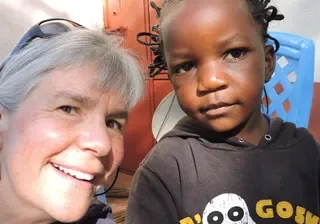
Carolyn Ansell
Carolyn provides valuable expertise in healthcare delivery and community health programs, supporting our mission in Kenya.
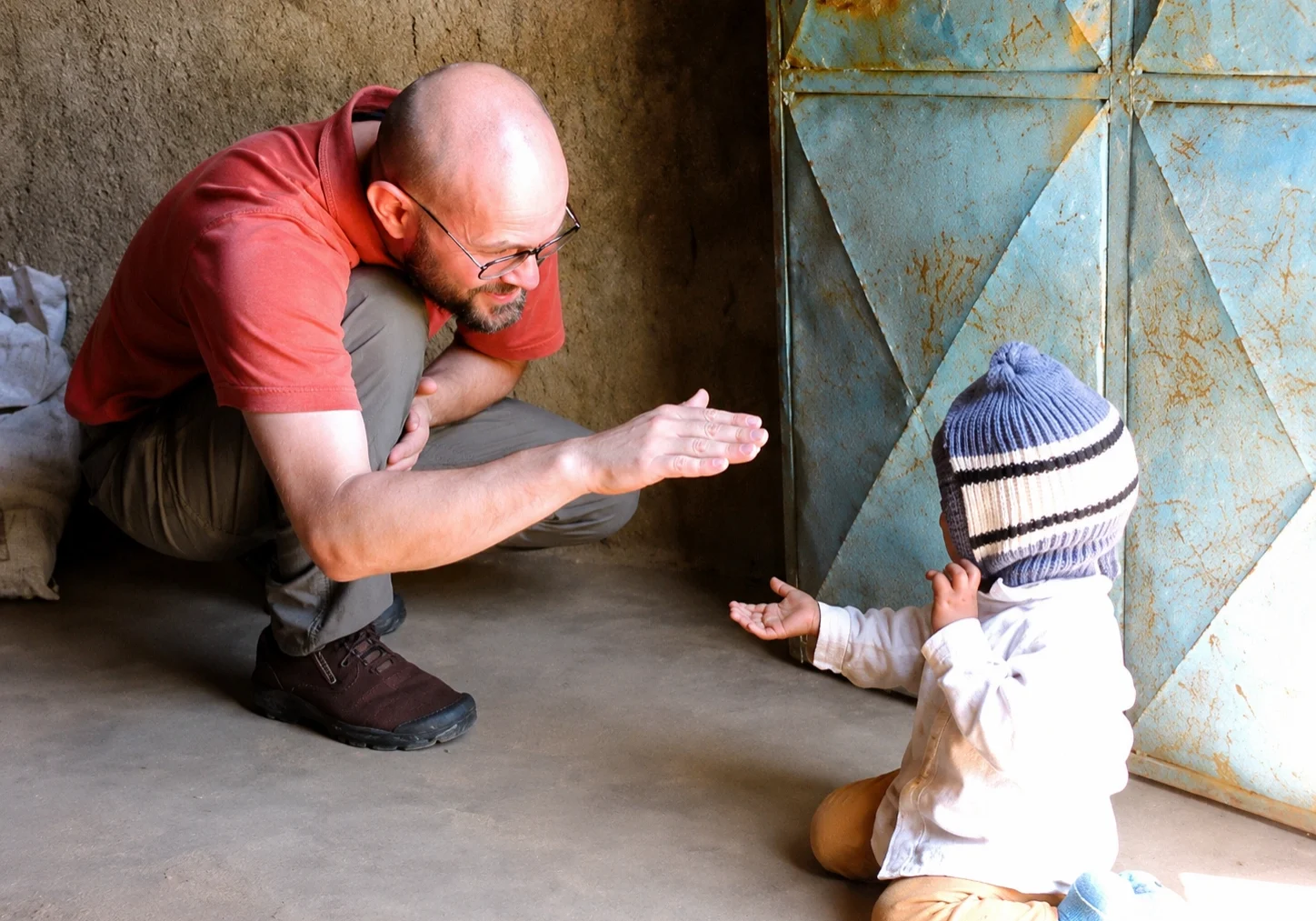
Adrian Morris
Adrian contributes strategic oversight and governance expertise to ensure effective organizational management and program implementation.
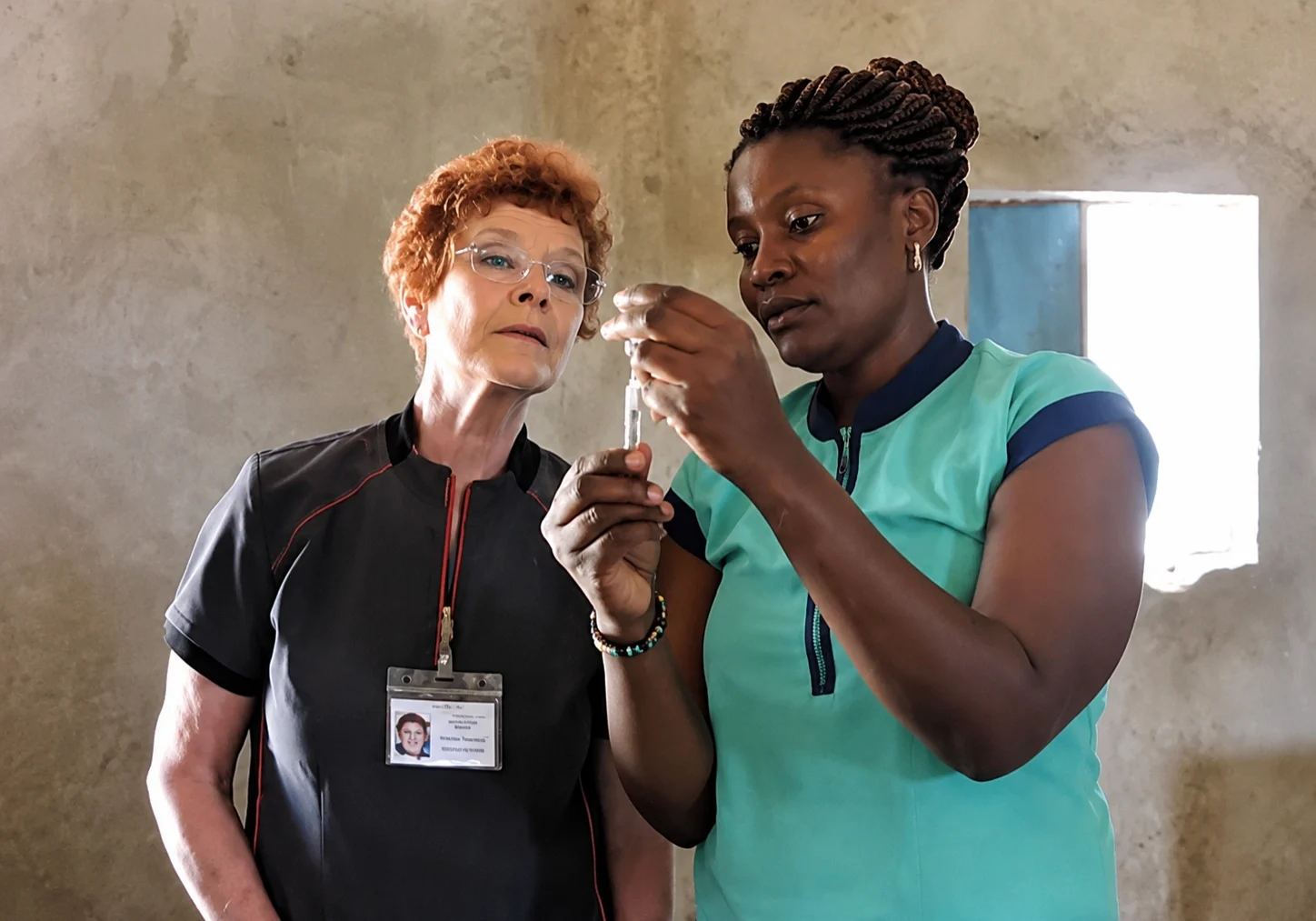
Ruth O'Keefe
Ruth brings valuable experience in organizational leadership and community development, supporting our mission to expand healthcare access in underserved communities.
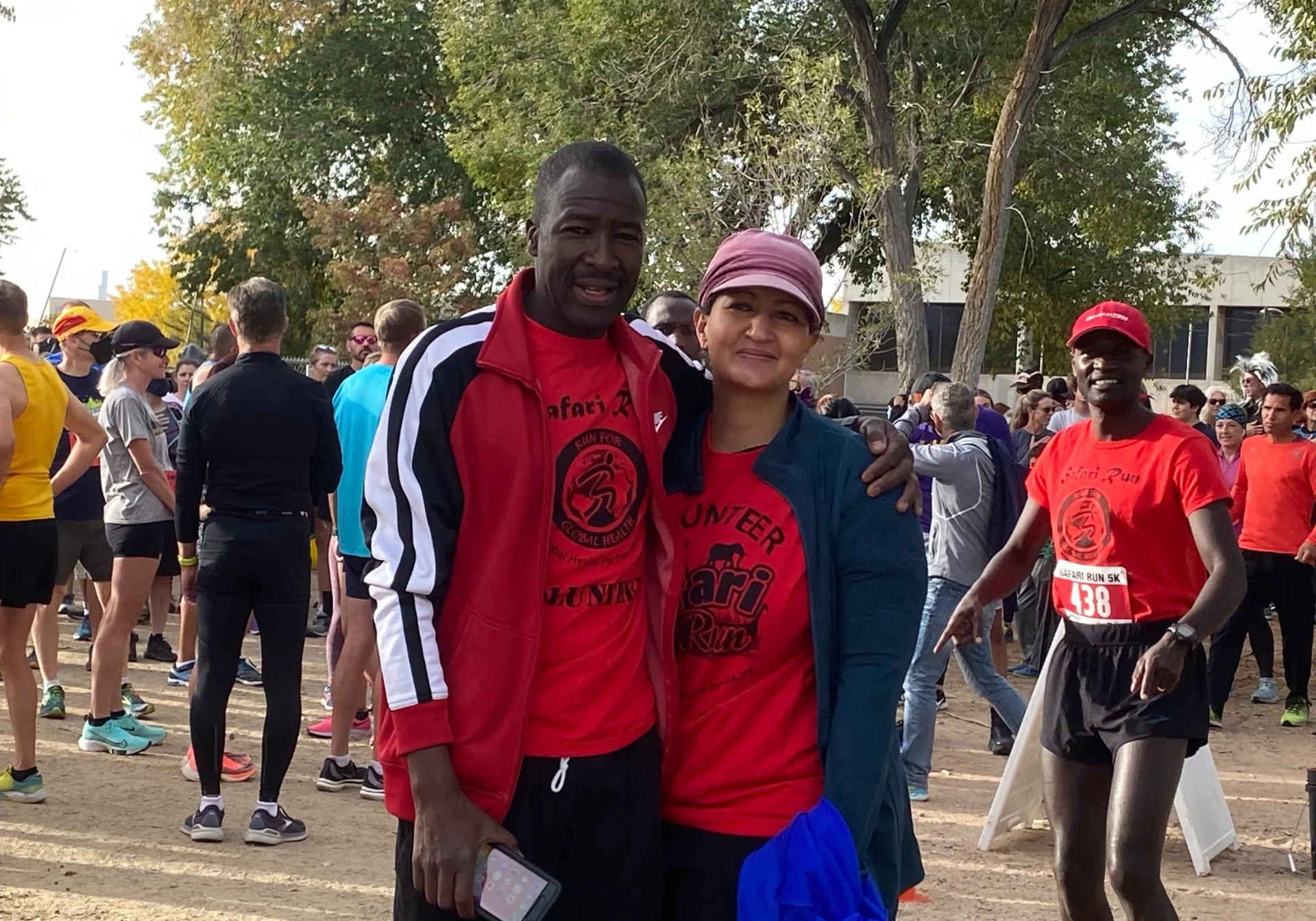
Mbarak Hussein
Mbarak provides valuable insight into community healthcare needs and cultural considerations, helping to ensure our programs are culturally sensitive and effective in local contexts.

Vincent Makau
Vincent brings experience in community engagement and local partnerships, helping to strengthen our relationships with communities throughout Kenya.

Antia Sanchez
Antia provides strategic leadership and governance expertise, supporting our mission to expand healthcare access and improve health outcomes in underserved communities.

Dr. Saverio Sava
Dr. Saverio is an invaluable professional who brings a wealth of experience to our underserved communities.
Our Team
Our dedicated team of nurses work tirelessly to improve health outcomes in Kenya. Nurses in Kenya work independently in rural clinics. They provide all medical care including delivering babies.

John Mbae
John leads our nursing team with dedication and expertise, ensuring quality care delivery and staff development at our healthcare facilities.

Aurelia & Agatha
Aurelia and Agatha provide essential nursing care and support maternal health services at our Kisesini clinic.

Our Nursing Team
John, Agatha, Aurelia, and Carolyn work together as our dedicated nursing team, providing comprehensive healthcare services to the community.

Nicholas Mutuku
Nicholas manages healthcare operations and program coordination, ensuring efficient delivery of services and effective implementation of community health initiatives.
Our Values
The principles that guide our mission to improve healthcare outcomes in Kenya.

Community Partnership
We work alongside local communities, respecting their knowledge and local experience. True partnership means listening, learning, and empowering local leadership.

Sustainable Collaboration
We work with the Kisesini community and the Department of Health to address unmet needs

Equity
We believe every person deserves access to quality healthcare regardless of location or income. Healthcare is a fundamental human right, not a privilege.

Innovation
We explore creative solutions to healthcare challenges in resource-limited settings. Newborn visitation programs and safe childbirth in collaboration with midwives in the villages
Our Partners
We have collaborated with leading organizations, universities, and healthcare institutions to maximize our impact and ensure sustainable healthcare delivery.

Kenya Ministry of Health
GOVERNMENT PARTNER
Official recognition and support ensuring our programs align with national healthcare policies and standards.

Bibliography
US Kenya Health Partners (USKHP), University of Nairobi, and University of New Mexico (UNM) research collaboration
Bibliography (publications of studies of USKHP projects conducted in Kenya)
Livingston A, Tomedi A, Campbell A, Morales C, Mwanthi MA. A community health worker home visitation project to prevent neonatal deaths in Kenya. J Trop Pediatr. 2013 Feb;59(1):64-6
This study demonstrated that a brief low-cost training program for Community Health Worker (CHW) home visitation of newborns is feasible for rural Kenya, and has the potential to prevent many deaths of young infants.
Mascarenas DN, Wurzburger R, Garcia BN, Tomedi A, Mwanthi MA. The promise of home visitation by community health workers in rural Kenya: A protective effect that reduces neonatal illness. Education for Health (Abingdon). 2015 Sep-Dec;28(3):181-6
This study found that a USKHP Community Health Worker newborn home visitation program in rural Kenya significantly decreased rates of health service utilization and hospitalization.
Tomedi A, Tucker K, Mwanthi MA. A strategy to increase the number of deliveries with skilled birth attendants in Kenya. International Journal of Gynaecology and Obstetics. 2013 Feb;120(2):152-5.
The rate of skilled birth attendant (SBA) births in health facilities increased when traditional birth attendants (TBAs) were recruited and compensated for bringing women to local health facilities to deliver.
Tomedi A, Stroud SR, Maya TR, Plaman CR and Mwanthi MA. From home deliveries to health care facilities: establishing a traditional birth attendant referral program in Kenya. Journal of Health, Population and Nutrition — 2015 ,33— :6 (16 July 2015)
This is a second study of an expansion of an intervention that utilized traditional birth attendants (TBAs) to increase health facility deliveries by skilled birth attendants (SBAs). The percentage of SBA deliveries at the intervention health facility significantly increased compared to control health facilities when TBAs educated women about the need to deliver with a SBA and when TBAs received a stipend for bringing women to local health facilities to deliver. Furthermore, this TBA referral program proved to be far more effective in the target region of Kenya than a policy change to provide free obstetric care.
Tomedi A, Rohan-Minjares F, McCalmont K, Ashton R, Opiyo R, Mwanthi M. Feasibility and effectiveness of supplementation with locally available foods in prevention of child malnutrition in Kenya. Public Health Nutrition. 2012 Apr;15(4):749-56.
The study found that the distribution of locally available foods arranged by USKHP at the time of a drought significantly improved child weight gain and decreased acute malnutrition in Kenyan children.
Fazio, J.C., Irving, M., Marquez, F., Deissinger, M., Tomedi, A. and Schmitt, C. The Effect of Sanitary Pads and Menstrual Symptom Management on School Performance of Adolescent Girls in Rural Kenya: A Cluster Randomized Trial. Annals of Global Health. 2017. 83(1), p.100. http://doi.org/10.1016/j.aogh.2017.03.222
This was a study of the effect of providing a supply of sanitary pads and ibuprofen (for menstrual cramps) to adolescent school girls in rural Kenya on school performance (grades in school). The provision of the menstrual products and ibuprofen were not shown to be effective in improving school performance or school attendance when added to an education program for the adolescent girls. USKHP decided to terminate funding for this project because of a lack of efficacy.
Gnauck K, Ruiz J, Kellett N, Sussman A, Sullivan MA, Montoya M, Levin N, Tomedi A, Mwanthi MA. Economic empowerment and AIDS-related stigma in rural Kenya: a double-edged sword? Cult Health Sex. 2013;15(7):851-65. doi: 10.1080/13691058.2013.789127
This study concluded that economic empowerment initiatives for women in developing countries in the context of the HIV epidemic should be coupled with peer mediated support and HIV-risk education. As a Kenya nurse so wisely said, “AIDS does not kill people, stigma kills people.”
Stromberg DG, Frederiksen J, Hruschka J, Tomedi A, Mwanthi M. A Community Health Worker Program for the Prevention of Malaria in Eastern Kenya. Education for Health 11 (online), 2011: 474. Available from: http://www.educationforhealth.net
This study found that there was a significant increase in knowledge about malaria and use of mosquito nets after the implementation of the USKHP Community Health Worker program.

Join Our Mission
There are many ways to get involved with US Kenya Health Partners and support our work in Kenya.